Cold rooms play a crucial role in preserving perishable products across various industries, including food processing, hospitality, pharmaceuticals, agriculture, and retail. Maintaining the correct cold room temperature is essential for ensuring product quality, safety, and longevity. Whether you are storing fruits, vegetables, dairy products, meat, or medicines, selecting the right temperature can significantly reduce spoilage and operational losses.
At Greenoz Ventilation System, we offer advanced cold room solutions designed to maintain precise temperatures for different storage requirements, helping businesses improve efficiency and product preservation.
Cold Room Temperature
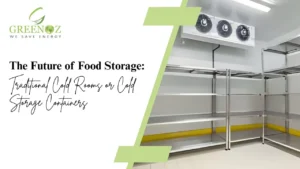
A cold room is a temperature-controlled storage area specifically designed to keep products fresh for extended periods. The ideal cold room temperature depends on the type of product being stored. Different products require different environmental conditions to maintain their quality and freshness. Maintaining the correct cold storage temperature ensures that bacteria growth is minimized and product shelf life is maximized.
Different Types of Cold Rooms and Their Ideal Temperature
Cold rooms are broadly classified into two categories depending on their cooling requirements:
1. Chiller Cold Rooms (0°C to 10°C)
These rooms are designed to store items that need cool, but not freezing temperatures. Common examples include:
- Fruits
- Vegetables
- Dairy products
- Beverages
- Medicines
- Fresh flowers
For example, the ideal vegetable cold room temperature generally falls between 2°C to 8°C, depending on the type of vegetable. Leafy greens need around 2°C to 5°C, while root vegetables like potatoes prefer slightly higher temperatures.
2. Freezer Cold Rooms (-18°C and below)
Freezer cold rooms are used for products that require deep freezing to maintain their quality. These rooms maintain a cold storage temperature below -18°C, ideal for:
- Frozen meat
- Chicken
- Fish
- Ice creams
- Ready-to-cook frozen foods
Freezing helps preserve the nutritional quality and texture of foods for an extended period.
Ideal Temperature for Vegetable Storage
Fresh vegetables require specific storage conditions to retain their nutritional value and appearance. The recommended vegetable cold room temperature generally falls between 0°C and 8°C, depending on the vegetable type.
For example:
- Leafy greens: 0°C to 2°C
- Carrots: 0°C to 1°C
- Cabbage: 0°C to 2°C
- Tomatoes: 10°C to 13°C
- Potatoes: 4°C to 10°C
Maintaining the correct vegetable cold room temperature helps prevent moisture loss, wilting, and microbial growth.
Ideal Cold Room Temperature for Meat
Meat products are highly sensitive to temperature changes and require strict storage conditions. The recommended cold room temperature for meat is generally between -1°C and 2°C for fresh meat storage.
For frozen meat, temperatures should remain at or below -18°C. Maintaining the correct cold room temperature for meat prevents bacterial growth, preserves texture, and ensures food safety.
Different types of meat may require slightly different conditions:
- Beef: -1°C to 2°C
- Poultry: 0°C to 2°C
- Lamb: -1°C to 2°C
- Frozen meat: Below -18°C
Businesses dealing with meat products should invest in reliable temperature monitoring systems to maintain consistent storage conditions.
Difference Between Room Temperature and Cold Storage
In daily life, many products are labeled with instructions such as store at room temperature. This means the product should be kept in a normal indoor environment, typically between 20°C and 25°C.
However, products requiring refrigeration should never be stored at room temperature for extended periods. When manufacturers specify store at room temperature, they are indicating that refrigeration is unnecessary and may even affect product quality.
Factors Affecting Cold Room Performance
Several factors influence the efficiency of a cold room:
- Insulation Quality: High-quality insulation reduces heat transfer and helps maintain stable temperatures.
- Door Usage: Frequent opening and closing of doors can cause temperature fluctuations.
- Air Circulation: Proper airflow ensures uniform cooling throughout the storage area.
- Humidity Control: Maintaining appropriate humidity levels prevents dehydration and spoilage.
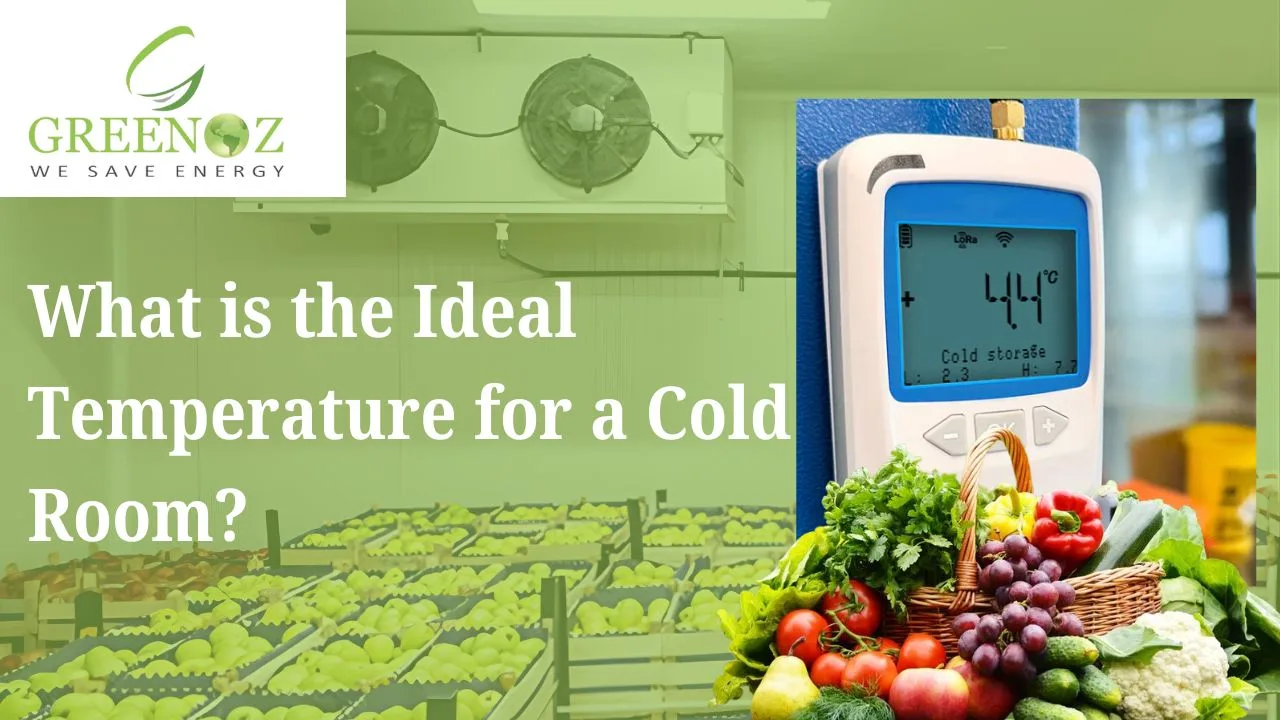
- Temperature Monitoring: Modern monitoring systems provide real-time tracking of cold storage temperature conditions.
By addressing these factors, businesses can ensure optimal cold room performance and energy efficiency.
How Greenoz Ventilation System Helps You Maintain the Ideal Cold Room Temperature
Greenoz Ventilation System specializes in designing, installing, and maintaining customized cold rooms for various industries. We provide complete solutions, ensuring you get the right temperature according to your storage needs. Their expert team focuses on:
- High-quality insulation panels
- Energy-efficient refrigeration units
- Precise temperature controls
- Hygienic and food-grade materials
- Proper airflow and circulation design
- Accurate temperature monitoring systems
Whether your business deals with fruits, vegetables, dairy, pharmaceuticals, seafood, or meat, Greenoz delivers solutions that keep your products fresh and safe.
The recommended vegetable cold room temperature and cold room temperature for meat vary according to product requirements, making precise temperature control critical. While some products are meant to store at room temperature, many perishable goods require carefully regulated refrigeration conditions.
At Greenoz Ventilation System, we offer high-performance cold room solutions that help businesses maintain the ideal cold storage temperature and improve overall storage efficiency. With advanced technology and customized designs, we ensure that your products remain fresh, safe, and protected throughout the storage process.