Greenoz Ventilation System has been actively contributing to the evolution of temperature-controlled environments by designing reliable solutions that support the changing needs of the food industry. We design cold room solutions that offer stable temperature control, proper air circulation, and energy efficiency, ensuring food remains fresh for longer periods. Temperature-controlled environments are essential to meet these goals, especially for perishable products like fruits, vegetables, dairy, meat, and pharmaceuticals.
What Is a Traditional Cold Room?
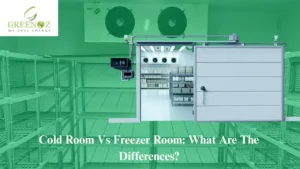
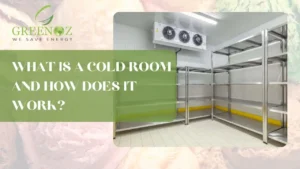
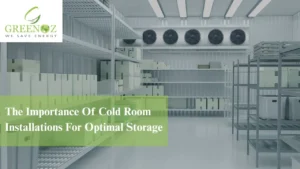
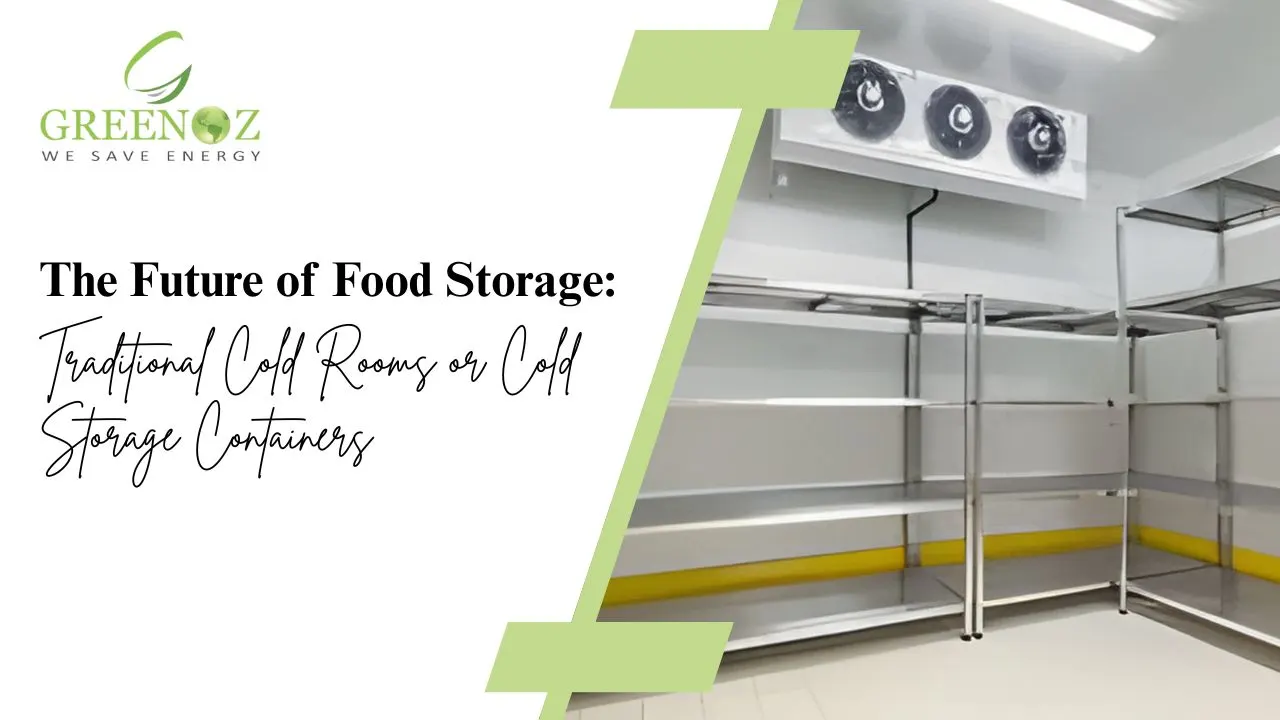
A Cold Room is a temperature-controlled storage space, usually constructed on-site using insulated panels, refrigeration systems, and ventilation components. These rooms are commonly used in hotels, restaurants, food processing units, warehouses, and supermarkets. Traditional Cold Room systems are known for their durability, customization options, and ability to handle large storage volumes.
How Do Cold Storage Containers Differ from Cold Rooms?
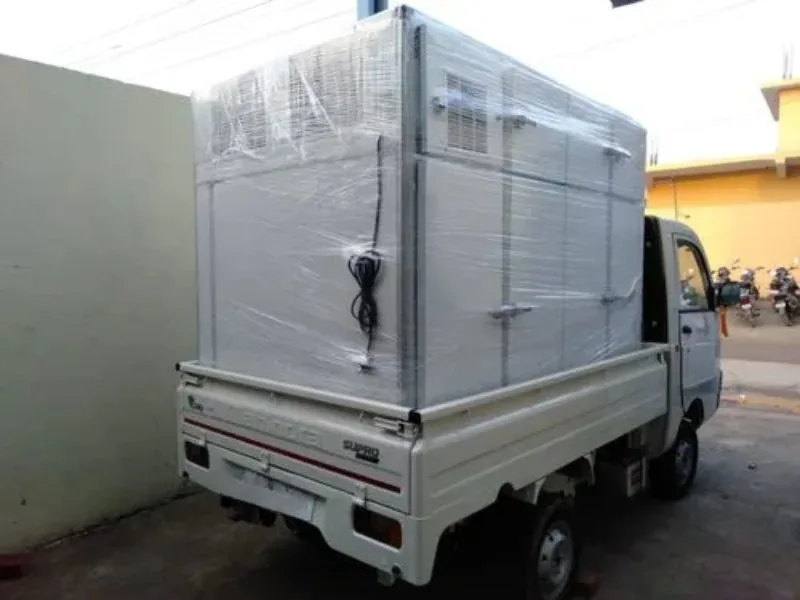
Cold storage containers are prefabricated, mobile units that function like compact Cold Rooms. They are often built inside shipping containers and can be transported easily from one location to another. These systems are gaining popularity in remote areas, temporary storage needs, and export-oriented businesses.
While traditional Cold Room installations are fixed and customized, cold storage containers focus on flexibility and quick deployment. Both solutions play an important role in the future use of food storage, depending on application needs.
Also Read : Walk-In Freezer: What is it and How Does it Work?
Benefits of Traditional Cold Room for Food Storage
- Consistent Temperature Control: A Traditional Cold Room maintains stable and uniform temperatures, helping preserve the freshness, taste, and nutritional value of stored foods.
- Extended Shelf Life: Proper cooling conditions significantly slow down bacterial growth, allowing fruits, vegetables, dairy, meat, and processed foods to stay fresh for longer periods.
- High Storage Capacity: Traditional Cold Rooms are ideal for bulk food storage, making them suitable for warehouses, food processing units, hotels, and supermarkets.
- Customizable Design: Cold Rooms can be designed to meet specific temperature and humidity requirements for different types of food products.
- Energy Efficiency: Well-insulated panels and optimized refrigeration systems reduce energy loss and operating costs over time.
How Do Cold Rooms Help Reduce Food Waste?
- Maintains Optimal Temperature: A Cold Room keeps food at a consistent and controlled temperature, slowing down bacterial growth and natural ripening. This helps prevent early spoilage and keeps food fresh for a longer time.
- Extends Shelf Life of Perishables: Fruits, vegetables, dairy products, meat, and seafood last significantly longer when stored in a Cold Room. Extended shelf life directly reduces the amount of food that gets discarded.
- Preserves Food Quality: Cold Rooms help retain the original taste, texture, color, and nutritional value of food. When quality is maintained, fewer products are rejected due to deterioration.
- Supports Better Inventory Management: With organized storage and stable conditions, businesses can follow FIFO (First In, First Out) practices more effectively. This ensures older stock is used first, minimizing waste.
Why Choose Greenoz Ventilation System?
- Industry Expertise: Greenoz Ventilation System brings strong technical knowledge and practical experience in designing reliable Cold Room and ventilation solutions.
- Customized Solutions: The company offers tailored systems to match specific storage needs, space availability, and temperature requirements.
- Energy-Efficient Designs: Greenoz Ventilation System focuses on solutions that reduce power consumption while maintaining consistent cooling performance.
- Quality and Reliability: High-quality components and precise engineering ensure long-lasting and dependable operation.
Greenoz Ventilation System remains committed to delivering advanced cooling solutions that offer reliability, efficiency, and sustainability. As the future uses food storage technologies evolve, smart, well-designed Cold Room solutions will continue to play a vital role in protecting food quality and reducing waste worldwide.